


Introduction
In a world dominated by data breaches, phishing scams, and constant cyber threats, cybersecurity can often feel overwhelming and overly technical. However, one surprising trend has emerged in recent years cybersecurity memes. These humorous pieces of content combine technical knowledge with relatable jokes, making complex topics easier to understand and remember. While memes may seem trivial at first glance, they play a significant role in spreading awareness and educating both professionals and everyday users about online security risks.
Cybersecurity memes are especially popular among IT professionals, ethical hackers, and even casual internet users who encounter digital threats in their daily lives. They reflect real-world scenarios such as weak passwords, phishing emails, and outdated software, all presented in a lighthearted yet impactful way. This blend of humor and education makes them a powerful tool in modern cybersecurity communication.
What Are Cybersecurity Memes?
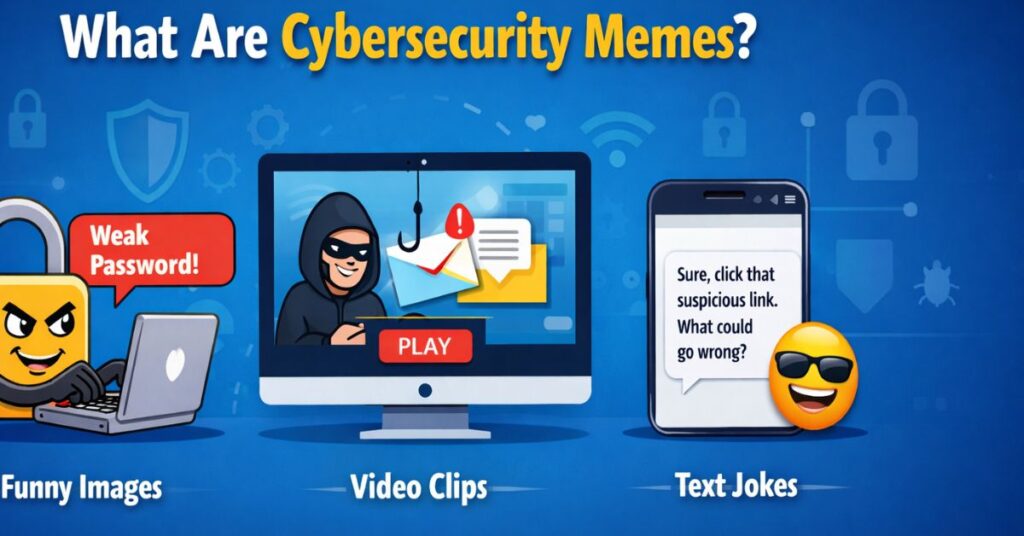
Cybersecurity memes are humorous images, videos, or text-based content that highlight issues related to digital security. These memes often exaggerate common problems such as poor password habits or user negligence, making them both entertaining and informative. They typically circulate on social media platforms, forums, and tech communities where cybersecurity discussions are common.
Unlike traditional educational content, memes are quick to consume and easy to share. This makes them particularly effective in spreading awareness across a wide audience. A single well-crafted meme can communicate a cybersecurity lesson faster than a lengthy article or tutorial. For example, a meme about using “123456” as a password instantly conveys the importance of strong authentication without requiring a detailed explanation.
Why Cybersecurity Memes Are So Popular
Relatability in Everyday Scenarios
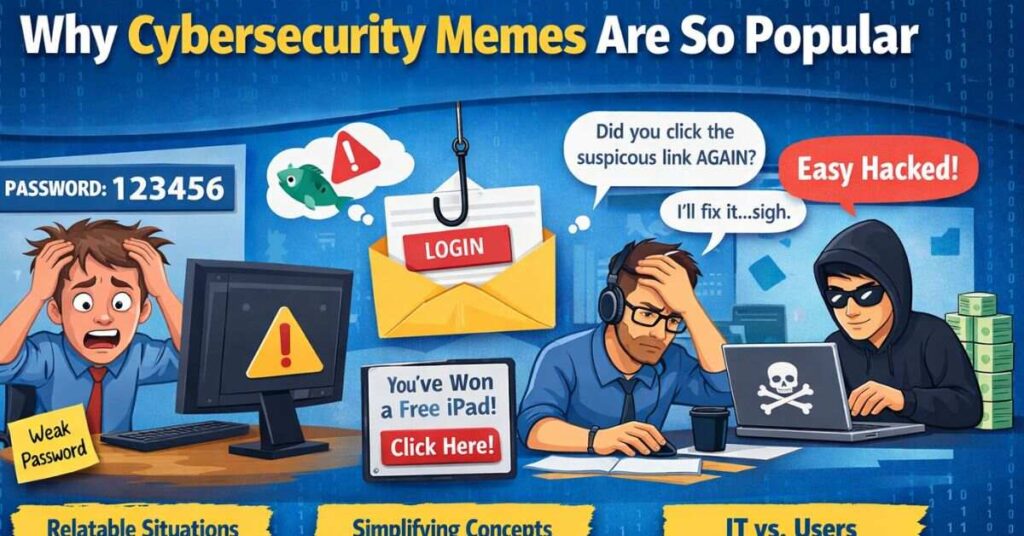
One of the main reasons cybersecurity memes resonate with people is their relatability. Many users have experienced situations like forgetting passwords, ignoring software updates, or clicking on suspicious links. Memes take these common experiences and turn them into humorous content that users can instantly connect with.
This relatability helps bridge the gap between cybersecurity experts and non-technical users. It makes security concepts less intimidating and more approachable, encouraging people to learn without feeling overwhelmed.
Simplifying Complex Concepts
Cybersecurity involves technical concepts such as encryption, firewalls, and network vulnerabilities. For beginners, these topics can be difficult to understand. Memes simplify these ideas by presenting them in a visual and humorous format. For instance, a meme comparing a weak password to an open door effectively communicates the concept of vulnerability.
By breaking down complex ideas into digestible content, memes make cybersecurity education more accessible to a broader audience.
Viral Nature of Memes
Memes are inherently shareable. Their short, engaging format makes them perfect for social media platforms like Twitter, Reddit, and Instagram. When a cybersecurity meme goes viral, it spreads awareness to thousands or even millions of users within a short period.
This viral potential makes memes a valuable tool for organizations and security professionals who want to promote best practices and highlight common threats.
Common Themes in Cybersecurity Memes
Cybersecurity memes often revolve around recurring themes that reflect real-world challenges in digital security. Understanding these themes can help users recognize common risks and improve their online behavior.
Weak Passwords
One of the most popular topics in cybersecurity memes is weak passwords. Users often choose simple and predictable passwords, making it easier for hackers to gain access to their accounts. Memes exaggerate this behavior by showing humorous scenarios where passwords like “password123” lead to disastrous consequences.
Phishing Attacks
Phishing scams are another frequent subject in memes. These attacks involve tricking users into revealing sensitive information through fake emails or websites. Memes highlight how easily people fall for poorly designed phishing attempts, often using humor to emphasize the importance of vigilance.
Software Updates
Many users ignore software updates, not realizing that these updates often include critical security patches. Memes portray this behavior in a funny way, showing users repeatedly postponing updates until a security breach occurs.
IT vs. Users
The relationship between IT professionals and regular users is a goldmine for meme content. Memes often depict IT teams dealing with avoidable issues caused by user mistakes, such as downloading suspicious files or disabling antivirus software.
Cybersecurity Memes vs Traditional Awareness Methods
To understand the impact of cybersecurity memes, it is useful to compare them with traditional awareness methods.
| Aspect | Cybersecurity Memes | Traditional Methods |
| Engagement Level | High (fun and relatable) | Moderate (formal and structured) |
| Learning Speed | Fast (quick consumption) | Slow (requires time to पढ़) |
| Shareability | Very high | Limited |
| Depth of Information | Low to moderate | High |
| Audience Reach | Broad (all internet users) | Targeted (specific groups) |
This comparison shows that while memes may not replace traditional education, they complement it effectively by increasing engagement and awareness.
How Cybersecurity Memes Improve Awareness
Cybersecurity memes do more than just entertain; they actively contribute to improving security awareness in several ways. They create memorable associations that help users recall important lessons when faced with real-life situations. For example, after seeing a meme about phishing emails, users may be more cautious when opening suspicious messages.
Memes also encourage discussions within online communities. When users share and comment on memes, they exchange knowledge and experiences related to cybersecurity. This collaborative learning environment enhances overall awareness and promotes better security practices.
Additionally, organizations have started using memes as part of their training programs. By incorporating humor into educational materials, they make learning more engaging and effective for employees.
Best Practices for Using Cybersecurity Memes
Keep It Accurate
While humor is important, accuracy should never be compromised. Memes should convey correct information to avoid spreading misinformation. Even a funny meme can be harmful if it promotes incorrect security practices.
Target the Right Audience
Different audiences have different levels of understanding. Memes designed for cybersecurity professionals may not resonate with beginners. It is important to tailor content based on the audience’s knowledge and experience.
Use Memes as a Supplement
Memes should not replace formal training or detailed guides. Instead, they should be used as a supplementary tool to reinforce key concepts and keep users engaged.
Examples of Cybersecurity Meme Scenarios
Cybersecurity memes often depict scenarios that highlight common mistakes and their consequences. Some typical examples include:
- A user ignoring multiple security warnings before clicking a malicious link
- An employee using the same password for all accounts
- IT professionals reacting to preventable security breaches
- Hackers easily guessing simple passwords
These scenarios may seem exaggerated, but they are rooted in real-world experiences. By presenting them humorously, memes make users more aware of their actions and encourage better habits.
The Role of Memes in Modern Cybersecurity Culture
Memes have become an integral part of cybersecurity culture. They provide a way for professionals to cope with the challenges of their field while also educating others. In a high-stress environment where threats are constantly evolving, humor offers a much-needed break.
Moreover, memes help humanize cybersecurity. They show that even experts face challenges and make mistakes. This relatability fosters a sense of community and encourages more people to take an interest in digital security.
Expert Tips to Stay Secure (Beyond Memes)
While memes are helpful for awareness, real security requires actionable steps. Here are some expert tips to improve your cybersecurity:
- Use strong, unique passwords for each account
- Enable two-factor authentication (2FA)
- Keep your software and systems updated
- Avoid clicking on suspicious links or attachments
- Use trusted antivirus and security tools
- Regularly back up your data
These practices, combined with the awareness gained from memes, can significantly reduce your risk of cyber threats.
Conclusion
Cybersecurity memes may seem like simple internet humor, but their impact is far-reaching. They simplify complex concepts, increase engagement, and spread awareness in a way that traditional methods often cannot. By combining humor with education, memes make cybersecurity more accessible and relatable to a wider audience.
As cyber threats continue to evolve, the need for effective awareness strategies becomes more important than ever. Cybersecurity memes offer a unique and powerful approach to educating users while keeping them entertained. When used correctly, they can play a crucial role in promoting safer online behavior.
Cybersecurity memes are humorous images or content that highlight issues related to online security, such as weak passwords and phishing attacks.
Yes, they are effective for raising awareness and simplifying complex concepts, but they should be used alongside detailed educational resources.
You can find them on platforms like Reddit, Twitter, LinkedIn, and cybersecurity blogs or forums.
Yes, many organizations use memes to make cybersecurity training more engaging and relatable for employees.
No, memes are a supplementary tool and should not replace formal training or comprehensive security guidelines.

Ali is an SEO specialist and technology content writer at Techsprinto, covering AI tools, SEO software, and blogging resources. He creates practical reviews and guides to help creators and marketers choose the right digital tools.