


Introduction
The automotive industry is undergoing a massive digital transformation as vehicles become smarter, more connected, and increasingly dependent on software systems. Modern cars now rely on internet connectivity, sensors, artificial intelligence, and cloud platforms to deliver features such as navigation, infotainment, autonomous driving assistance, and remote vehicle control. While these innovations improve convenience and safety, they also introduce new cybersecurity risks that were previously nonexistent in traditional vehicles.
Automotive cybersecurity has therefore become a major priority for car manufacturers, regulators, and technology companies. Cybercriminals are actively exploring vulnerabilities in connected vehicles, targeting onboard software, wireless communication systems, and mobile applications linked to vehicles. As a result, automotive cybersecurity news continues to highlight new threats, security updates, regulatory changes, and emerging defense strategies designed to protect drivers and vehicles.
In this guide, we will explore the latest automotive cybersecurity developments, understand why vehicle security matters, examine common attack methods, and review the strategies that automakers and cybersecurity experts use to protect modern cars from digital threats.
Why Automotive Cybersecurity Is Becoming Critical
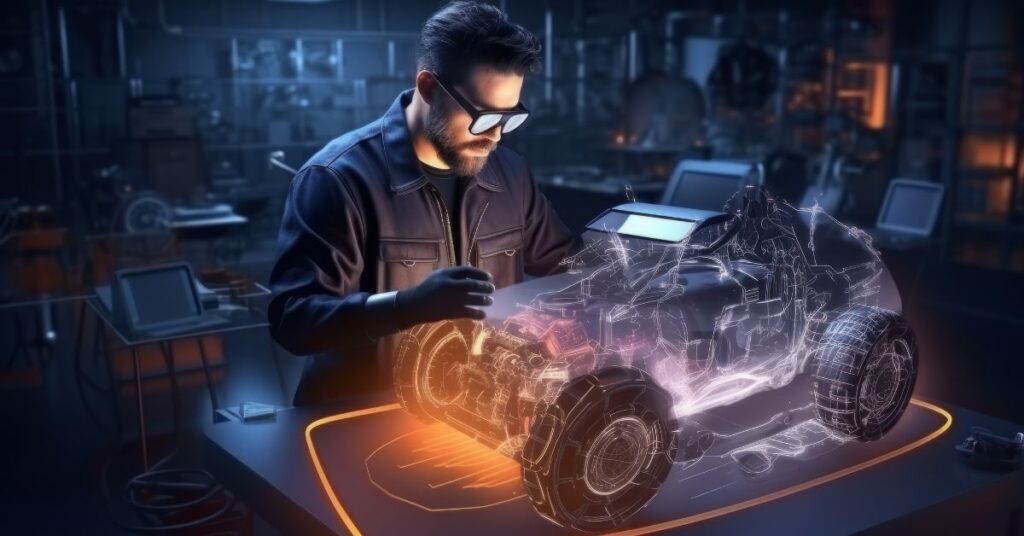
The increasing integration of digital systems in vehicles has expanded the attack surface available to hackers. Modern vehicles contain dozens of electronic control units (ECUs), connected sensors, and communication networks that manage everything from engine performance to braking systems. These systems interact with cloud platforms and mobile apps, creating multiple entry points that attackers could exploit.
One of the primary reasons automotive cybersecurity is receiving so much attention in industry news is the growing number of connected vehicles on the road. Many new cars include features such as remote start, smartphone integration, over-the-air software updates, and advanced driver assistance systems. While these features improve convenience and functionality, they also introduce potential vulnerabilities if not properly secured.
Cybersecurity experts warn that compromised vehicles could lead to serious consequences. In extreme cases, attackers might manipulate vehicle controls, steal personal data from infotainment systems, or disrupt transportation networks. This risk is why automakers, regulators, and cybersecurity organizations are investing heavily in developing stronger security frameworks for the automotive ecosystem.
Recent Automotive Cybersecurity News and Industry Developments

Recent developments in automotive cybersecurity highlight how rapidly the field is evolving. Automakers and security researchers frequently uncover vulnerabilities in vehicle systems, leading to software updates, recalls, and improved security practices across the industry.
One significant trend in automotive cybersecurity news is the increased focus on over-the-air software updates. These updates allow manufacturers to fix security vulnerabilities remotely without requiring drivers to visit dealerships. Companies such as Tesla and other technology-driven automakers have demonstrated how effective remote updates can be in quickly addressing security concerns.
Another major development involves stricter cybersecurity regulations. Governments around the world are implementing new rules that require automakers to follow strict cybersecurity standards before vehicles can be sold. These regulations aim to ensure that vehicle manufacturers integrate security measures throughout the entire vehicle lifecycle, from design to production and post-sale updates.
Cybersecurity researchers are also playing a critical role in strengthening vehicle security. Many manufacturers now run bug bounty programs that reward ethical hackers for identifying vulnerabilities before malicious actors can exploit them. This collaborative approach helps the industry stay ahead of emerging threats.
Common Cybersecurity Threats Targeting Vehicles
As connected vehicles become more common, attackers are developing sophisticated techniques to exploit automotive systems. Understanding these threats helps both manufacturers and drivers recognize the importance of cybersecurity protections.
Remote Vehicle Hacking
Remote hacking is one of the most widely discussed threats in automotive cybersecurity news. Attackers may attempt to exploit vulnerabilities in wireless communication systems such as Wi-Fi, Bluetooth, or cellular networks. If successful, hackers could potentially access vehicle systems without physical contact with the car.
Remote attacks can target infotainment systems, telematics units, or mobile applications linked to the vehicle. Once inside the system, attackers might attempt to move laterally through internal vehicle networks.
Infotainment System Vulnerabilities
Modern infotainment systems connect vehicles to smartphones, streaming services, and navigation platforms. While these features provide convenience, they also expose vehicles to risks associated with software vulnerabilities and insecure applications.
Hackers may attempt to exploit weaknesses in infotainment software to gain access to sensitive data or use the system as an entry point into other vehicle components.
Keyless Entry Attacks
Keyless entry systems allow drivers to unlock and start vehicles without physically inserting a key. However, attackers can sometimes exploit these systems using signal relay attacks that capture and retransmit key fob signals.
This technique can allow criminals to unlock and start vehicles even when the key fob is located inside the owner’s home. As a result, automotive cybersecurity experts frequently warn drivers about the risks associated with keyless entry technology.
Supply Chain Attacks
Modern vehicles rely on components and software from numerous suppliers. If attackers compromise a third-party vendor, they may be able to introduce malicious code or vulnerabilities into vehicle systems before they reach manufacturers.
Supply chain attacks are particularly concerning because they can affect multiple vehicle models simultaneously, making them difficult to detect and mitigate quickly.
Automotive Cybersecurity Technologies Used to Protect Vehicles
To address growing cyber threats, automakers are integrating advanced security technologies into modern vehicles. These systems help detect attacks, protect sensitive data, and ensure the safety of drivers and passengers.
Intrusion Detection Systems (IDS)
A vehicle network intrusion detection system monitors suspicious activity on the vehicle network. These systems analyze data traffic within vehicle components and alert manufacturers or security teams if unusual behavior is detected.
IDS technology allows automakers to identify potential cyberattacks early and respond before attackers can cause significant damage.
Secure Over-the-Air Updates
Secure over-the-air (OTA) updates allow manufacturers to deploy security patches and software improvements remotely. These updates help address vulnerabilities quickly while ensuring that vehicles remain protected against newly discovered threats.
Data Encryption and authentication mechanisms ensure that only authorized updates can be installed on the vehicle.
Encryption and Data Protection
Encryption plays a crucial role in automotive cybersecurity. Sensitive data transmitted between vehicles, mobile apps, and cloud servers must be encrypted to prevent unauthorized access.
Modern vehicles use strong encryption protocols to protect communications within vehicle networks and external systems.
Automotive Cybersecurity Standards and Regulations
Governments and international organizations are increasingly introducing cybersecurity standards to improve vehicle security. These regulations aim to ensure that manufacturers implement security measures throughout the entire development process.
One widely recognized framework is ISO/SAE 21434, which focuses on cybersecurity risk management in road vehicles. This standard outlines guidelines for identifying potential threats, implementing security controls, and monitoring vehicle systems for vulnerabilities.
Another important regulatory development is the UN Regulation No. 155, which requires automakers to implement cybersecurity management systems before selling vehicles in certain markets. This regulation emphasizes continuous monitoring and response to cyber threats throughout the vehicle lifecycle.
These standards are shaping how manufacturers design and maintain vehicle software systems, ensuring that cybersecurity remains a priority in the automotive industry.
Comparison of Key Automotive Cybersecurity Approaches
| Cybersecurity Approach | Purpose | Benefits | Challenges |
| Intrusion Detection Systems | Monitor vehicle networks | Early threat detection | Requires constant monitoring |
| OTA Security Updates | Fix vulnerabilities remotely | Quick response to threats | Needs secure update systems |
| Encryption Protocols | Protect data communications | Prevents unauthorized access | Performance considerations |
| Secure Software Development | Prevent vulnerabilities | Stronger system architecture | Higher development costs |
This comparison highlights how different cybersecurity approaches contribute to protecting connected vehicles from emerging threats.
Best Practices for Automotive Cybersecurity
Both manufacturers and vehicle owners can take steps to improve automotive cybersecurity. While many security measures are implemented by automakers, drivers can also play an important role in protecting their vehicles.
Keep Vehicle Software Updated
Drivers should install software updates provided by manufacturers whenever possible. These updates often contain security patches that protect vehicles from newly discovered vulnerabilities.
Use Trusted Mobile Applications
Vehicle owners should only use official mobile apps provided by manufacturers. Unofficial applications may contain malicious code that could compromise vehicle systems.
Protect Keyless Entry Systems
Drivers using keyless entry vehicles should consider using signal-blocking pouches to prevent relay attacks. These accessories block radio signals from key fobs, reducing the risk of unauthorized access.
Be Cautious with Third-Party Devices
Plugging unknown devices into vehicle ports can introduce security risks. Drivers should avoid connecting untrusted hardware or software to their vehicles.
The Future of Automotive Cybersecurity
The future of automotive cybersecurity will be shaped by emerging technologies such as autonomous driving, artificial intelligence, and vehicle-to-everything (V2X) communication. As vehicles become more autonomous and interconnected, cybersecurity will become even more critical.
Artificial intelligence is expected to play a significant role in detecting and responding to cyber threats in real time. AI-powered systems can analyze large volumes of vehicle data and identify unusual patterns that may indicate malicious activity.
Additionally, collaboration between automakers, cybersecurity firms, and government agencies will continue to strengthen vehicle security. Industry partnerships allow experts to share threat intelligence and develop more advanced security solutions for connected vehicles.
As automotive technology continues to evolve, staying informed about automotive cybersecurity news will remain essential for manufacturers, security professionals, and drivers alike.
Conclusion
Automotive cybersecurity is rapidly becoming one of the most important challenges in the modern transportation industry. As vehicles become more connected and software-driven, they also become potential targets for cyberattacks. This reality has pushed automakers, regulators, and cybersecurity experts to prioritize stronger security measures throughout the automotive ecosystem.
Recent automotive cybersecurity news highlights both the risks and the progress being made to address them. From new regulations and security technologies to collaborative research initiatives, the industry is actively working to ensure that connected vehicles remain safe and secure.
For drivers and technology enthusiasts, understanding automotive cybersecurity trends provides valuable insight into how modern vehicles are protected from digital threats. As innovation continues to transform the automotive landscape, cybersecurity will remain a critical component of safe and reliable transportation.
Automotive cybersecurity refers to the technologies and practices used to protect vehicles from cyberattacks. It focuses on securing vehicle software, networks, and communication systems from unauthorized access or manipulation.
Automotive cybersecurity is important because modern vehicles rely heavily on connected software systems. Without proper security protections, attackers could potentially exploit vulnerabilities and compromise vehicle safety or data privacy.
In controlled research environments, cybersecurity experts have demonstrated remote vehicle hacking. However, modern vehicles include multiple security layers designed to prevent such attacks from occurring in real-world situations.
Automakers use various cybersecurity techniques, including encryption, intrusion detection systems, secure software development, and over-the-air updates to protect vehicles from cyber threats.
Drivers should keep vehicle software updated, use official mobile apps, protect keyless entry systems, and avoid connecting unknown devices to their vehicles. These practices help reduce potential cybersecurity risks.

Ali is an SEO specialist and technology content writer at Techsprinto, covering AI tools, SEO software, and blogging resources. He creates practical reviews and guides to help creators and marketers choose the right digital tools.
1 thought on “Automotive Cybersecurity News: Threats & Trends”